




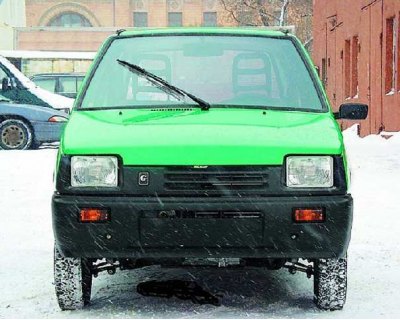
1. Inspect the parking area under the vehicle. If there are oil or operating fluid leaks, check the tightness of the vehicle's units and systems (see subsections 3.1–3.4.). If possible, fix the leak before leaving.
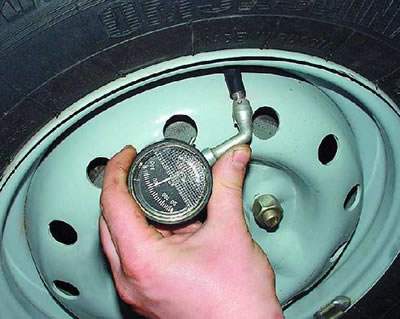
2. Check the air pressure in the tires and, if necessary, increase it to the recommended pressure for the given tire type (see subsection 2.7.).
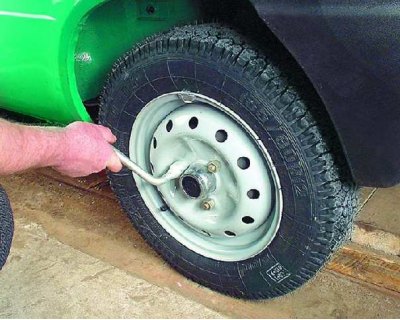
3. Check the tightness of the wheel nuts, tighten them if necessary (tightening torque see in appendix).
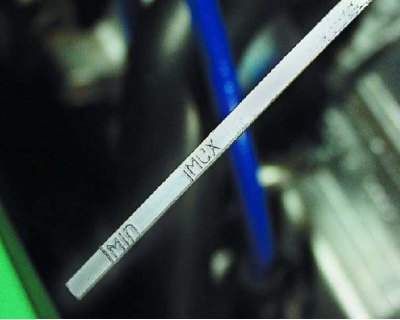
4. Check the oil level in the engine crankcase and, if necessary, top up the oil to the norm (see subsection 2.9.).
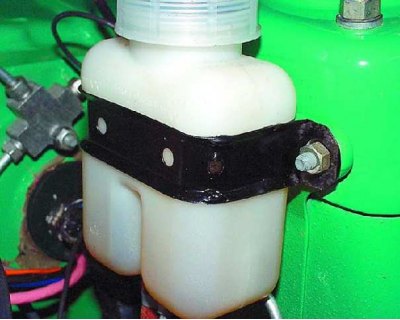
5. Check the brake fluid level in the brake master cylinder reservoir and top up the fluid to the normal level if necessary (see subsection 2.11.).
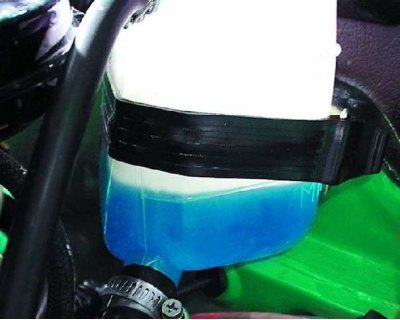
6. Check the coolant level in the expansion tank and top up the coolant to the norm if necessary (see subsection 2.8.).
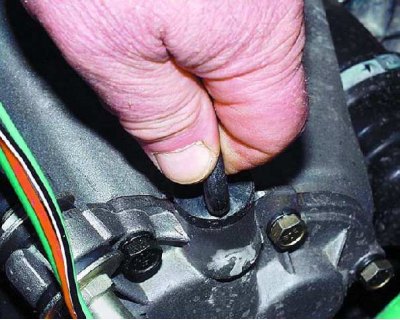
7. Check the gearbox oil level and top up if necessary (see subsection 2.10.).
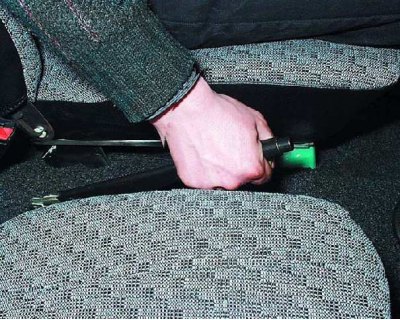
8. Check the operation of the parking brake and adjust it if necessary (see subsection 3.37.).
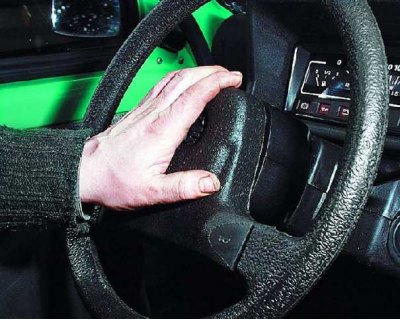
9. Check the operation of the sound signal.
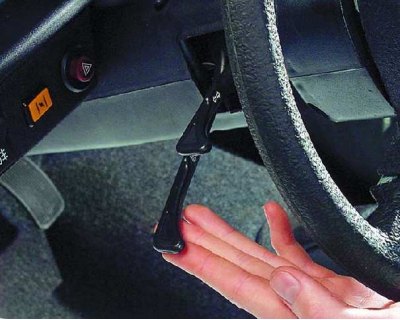
10. Check the operation of the headlights, taillights, turn signals and hazard warning lights, as well as the operation of the windshield wipers and washers and the rear door window.
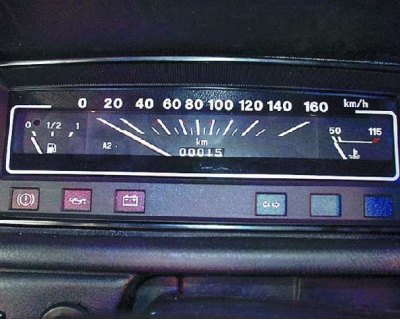
11. Check the operation of the control and measuring instruments.
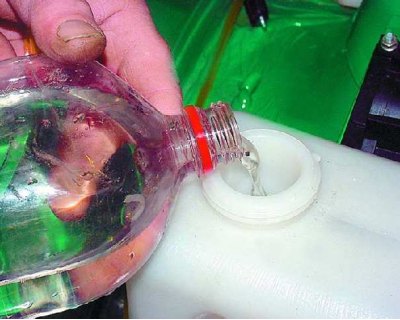
12. Check the fluid level in the windshield and rear door glass washer reservoirs, top up if necessary (see subsection 2.12.).
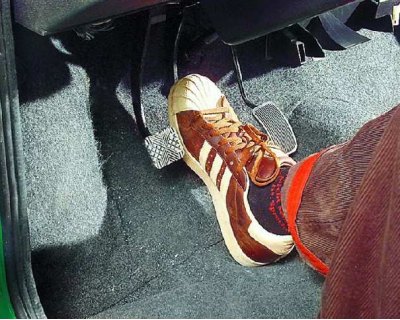
13. Before driving a stationary vehicle, be sure to check the operation of the brake system by pressing the brake pedal. If the pedal is free (without resistance) moves to the floor, the brake system is faulty.
Before a long trip, as well as after a long break in operation, check the condition of the spare wheel and equip the car with tools and accessories.
If a malfunction is detected, make a decision (taking into account the requirements of the Traffic Regulations) about the start of a trip or car repairs.