

Model History
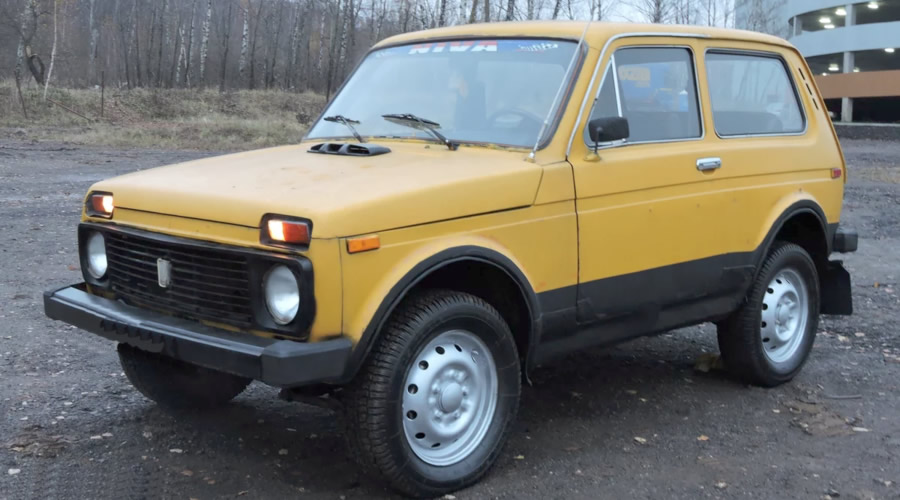
VAZ-2121, front view
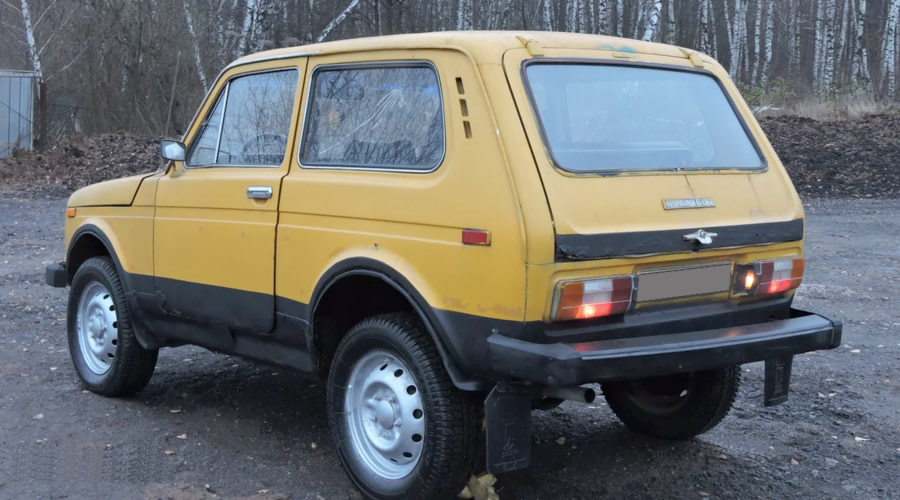
VAZ-2121, back view
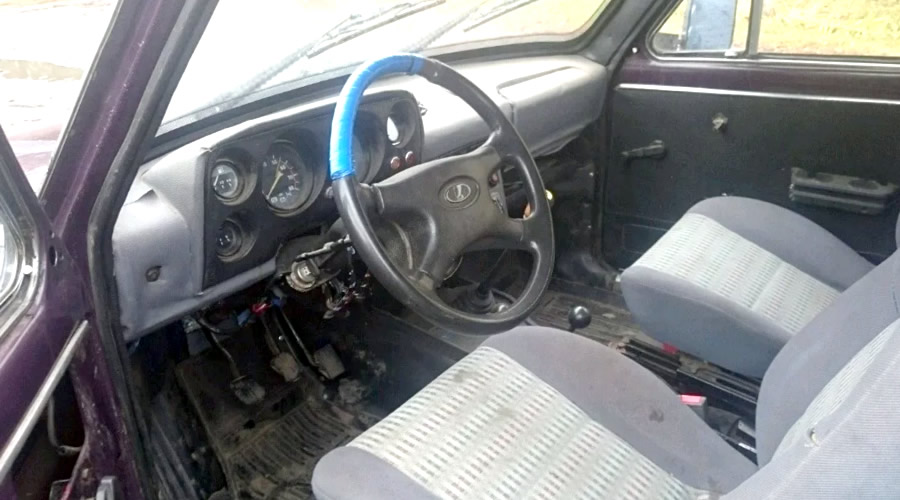
VAZ-2121, interior
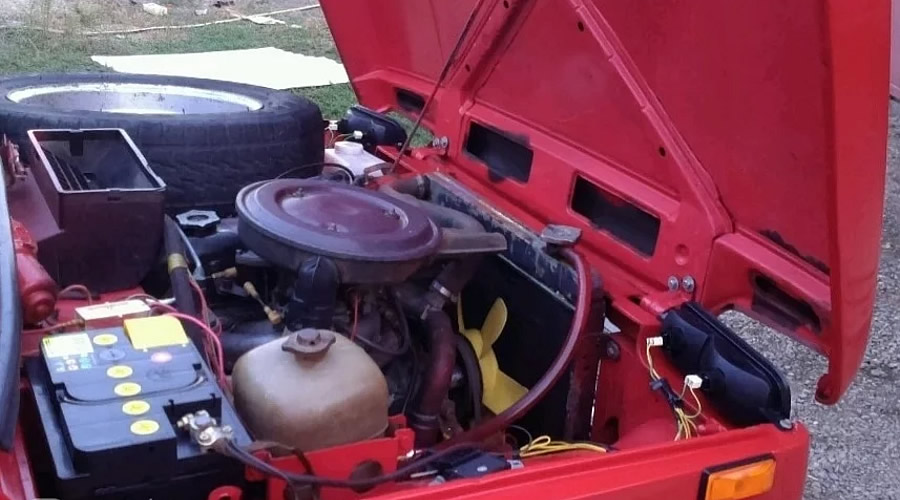
VAZ-2121, under hood
Vehicle characteristics
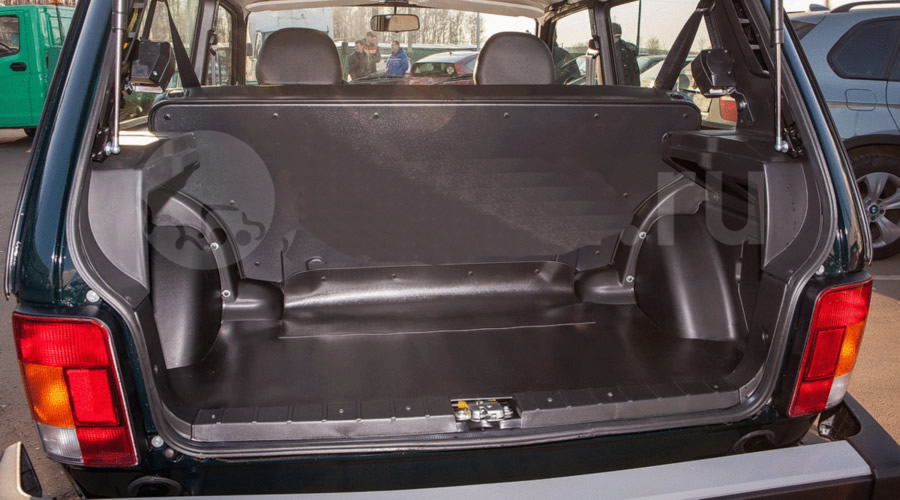
VAZ-2121, trunk
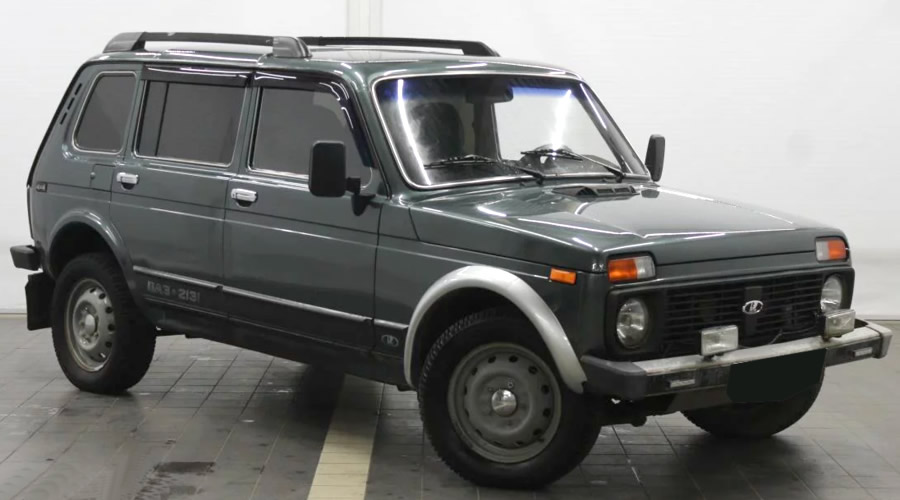
VAZ-2131, front view
In 1979 «Niva» was awarded the State Quality Mark of the USSR. In 1978, the car was recognized as the best in its class at an international exhibition in the Czech city of Brno.
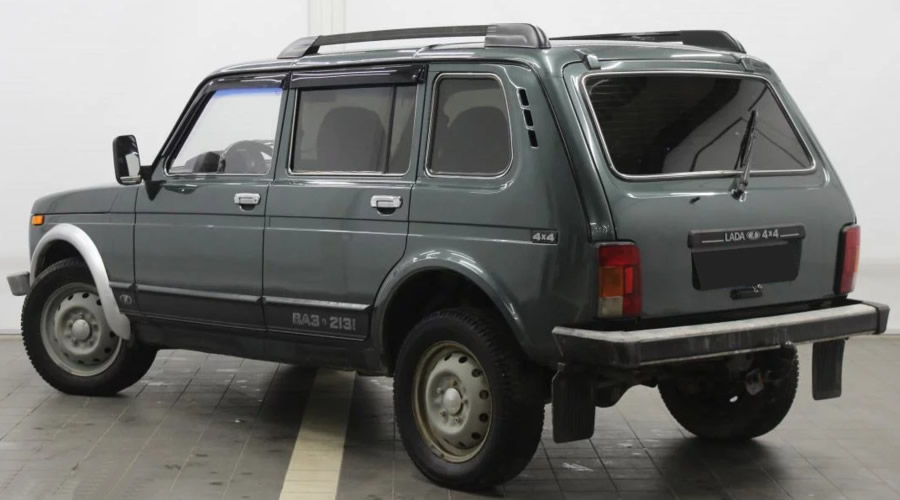 VAZ-2131, back view | 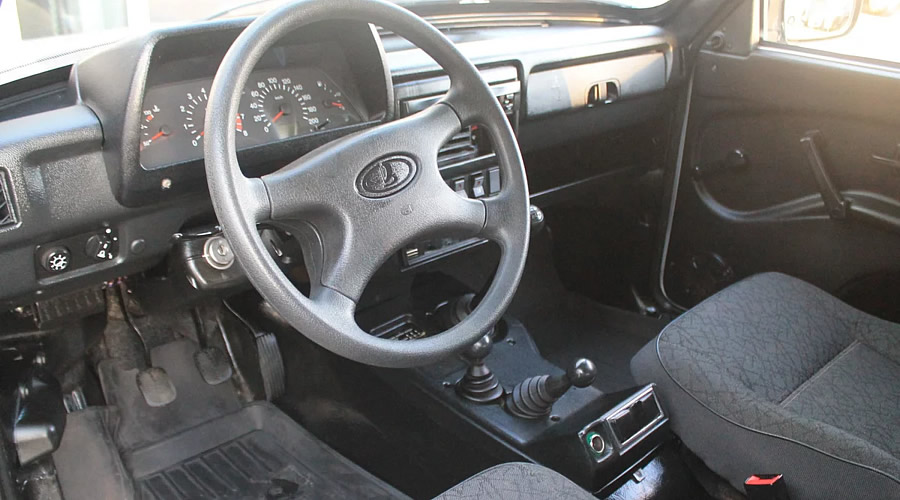 VAZ-2131, interior | 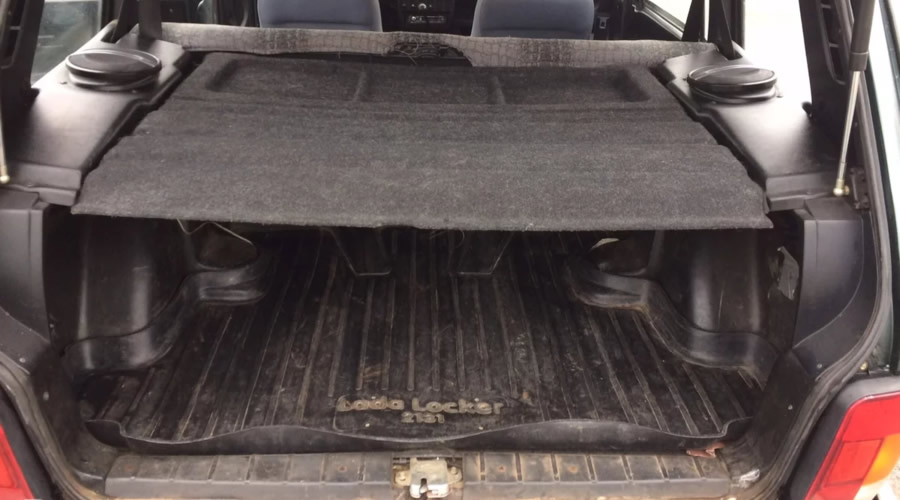 VAZ-2131, trunk |
The main modifications of the VAZ-2121
- VAZ-2121 «Niva» - base model with a 1.6-liter engine with a capacity of 80 hp. In 1976, an experimental batch of these cars was produced;
- VAZ-21211 «Niva» - the first industrial modification of the Soviet SUV (1977—1987);
- VAZ-21211 (Lada Niva 1.3) - export modification with a 1.3-liter engine with a capacity of 69 hp. Produced since 1978;
- VAZ-21212 (Lada Niva 4x4) — export modification with the right wheel;
- VAZ-21213 - with a redesigned rear end with a lower loading height, a more powerful 1.7-liter engine with a capacity of 82 hp with carburetor «Solex», contactless ignition system and 5-speed manual transmission. The interior and instrument panel were also updated;
- VAZ-21214 (Lada 4x4) - modification of the VAZ-21213 model with a 1.7-liter engine with a capacity of 83 hp with central fuel injection.
- Lada 4x4M is an updated version of Lada 4x4. Changes took place over the period 2009-2011. Updated lighting fixtures, upholstery, transmission and rear suspension. Power steering on all models. Part of the components is unified with the car Chevrolet Niva;
- VAZ-21215 - export version with diesel engine Peugeot XUD 9SD (1999—2007);
- VAZ-21216 - an export version of the VAZ-21213 with a right-hand drive and a carburetor engine;
- VAZ-21217 - an export version of the VAZ-21213 model, with a 1.6-liter engine;
- VAZ-21219 - a transitional modification with a body, interior and suspension from the VAZ-2121, a 1.7-liter engine and a transmission from the VAZ-21213 (1993—1994);
- VAZ-2121B - an armored cash-in-transit vehicle based on the VAZ-2121 (1992—1993);
- VAZ-2121F is an export commercial vehicle based on VAZ-2121 and 21213 with a body type «van» (rear part of the cabin in the form of a cargo compartment);
- Lada 4x4 «Lynx» - a small-scale model of the car Lada 4 × 4 for hunters;
- Lada 4x4 Urban differs from Lada 4x4 in bumpers, radiator grille, steering wheel, air conditioning, power mirrors and power windows. Issued since October 2014;
- Lada 4x4 Fora (VAZ-212180 «Handicap») - small-scale version of model 21213 extended by 30 cm (1996—2011);
- Lada 4x4 Force (VAZ-212182 «force») - armored cash-in-transit version of the VAZ-21218 model;
- Lada 4x4 Landole (VAZ-212183 «Landole») - car with an open body;
- VAZ-2129 «Cedar» - a small-scale model extended by 50 cm based on the standard VAZ-21213 and became the basis for the five-door model VAZ-2131;
- VAZ-2129 «utility» - commercial version «Cedar» no rear seat and barred rear side windows;
- VAZ-2130 «Cedar 2» - small-scale modification of the VAZ-2129 with a modified interior layout (1993—1994);
- VAZ-2131 (Lada 4x4 5D) - a five-door model extended by 50 cm based on the VAZ-21213 (21214). Produced in the pilot production of AvtoVAZ (1995—2015), and then production was transferred to the main conveyor. In 2016, more than 150 thousand VAZ-2131s have already been produced, which makes it the second most popular in the classic family «fields»;
- VAZ-2131 SP (-05, -45) - an ambulance based on the VAZ-2131 with a rear overhang increased by 300 millimeters and a high roof;
- VAZ-2131-02 (-22, -42) — «civil» five-door version of the sanitary model VAZ-2131-05 with a conventional five-seat interior.