




- in summer - clean water
- in winter - antifreeze
Use antifreeze liquids from well-known companies or liquids recommended by the manufacturer (see appendix).
Caution! Take precautions when working with antifreeze.
Warning! Always make sure that the level in the washer reservoir is sufficient. Do not turn on the washer if the fluid level drops below the pump intake hole inside the reservoir – the washer pump electric motor may fail.
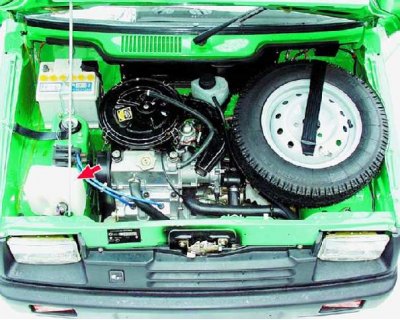
The windshield washer reservoir is located in the right front part of the engine compartment.
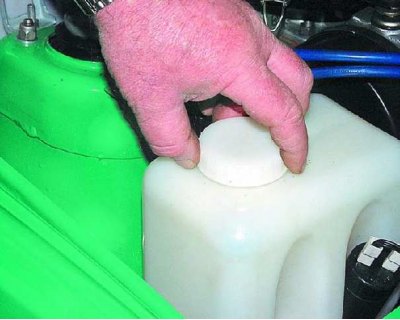
1. Unscrew the washer reservoir cap.
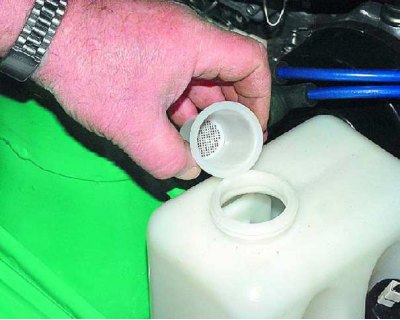
2. Remove the glass with the mesh filter and check the mesh. If it is dirty, rinse the mesh with water and put the glass back in place.
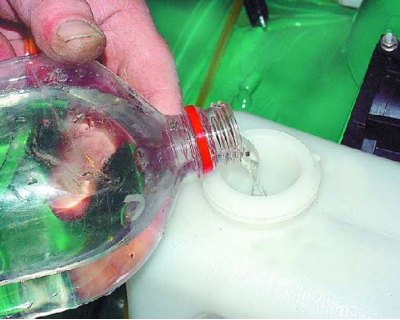
3. Add liquid to the level of the grid, then tighten the tank cap.
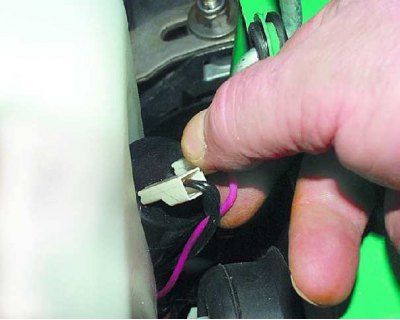
4. If you need to drain the fluid from the tank, disconnect the wiring harness from the pump and...
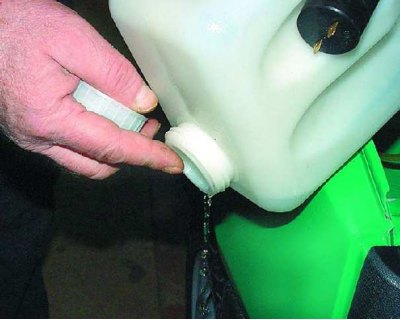
5....by removing the tank from the bracket (lifting it up), unscrew the tank cap, remove the glass with the mesh and drain the liquid from the tank.
Checking the fluid level in the rear door window washer reservoir
You will need:
- key "8"
- liquid drain container
Before starting work, remove the rear luggage compartment shelf.
Attention! Always make sure that the level in the washer reservoir is sufficient. Do not allow the fluid level to fall below the reservoir nipple - the washer pump electric motor may fail.
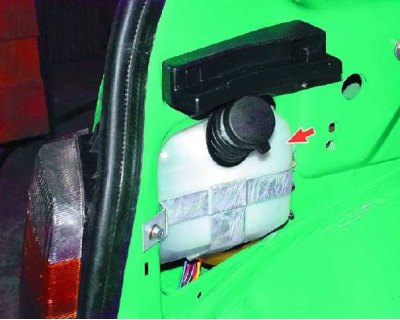
The rear door window washer reservoir is located in the left rear part of the luggage compartment.
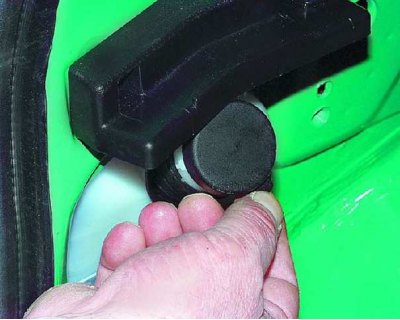
6. To add fluid, open the washer reservoir cap...
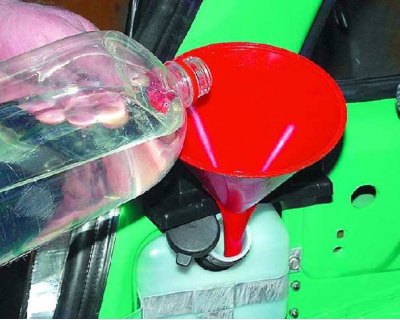
7....insert the funnel into the filler neck of the tank and add liquid to its bottom edge.
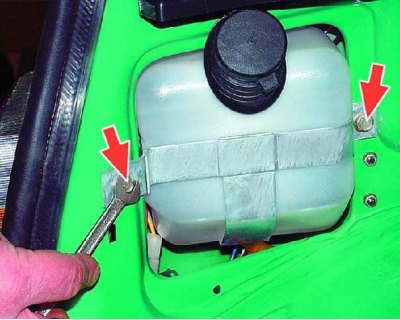
8. If it is necessary to drain the fluid from the tank, unscrew the two bolts securing the tank bracket to the body and...
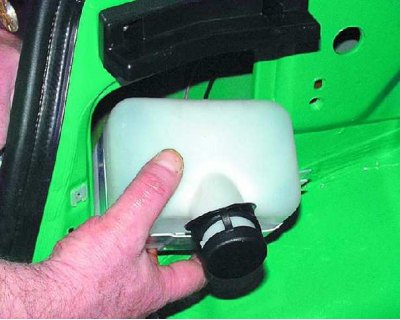
9....remove the tank with the bracket.
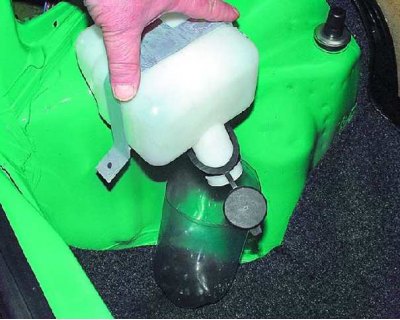
10. Place a suitable container underneath, open the tank lid and drain the liquid from it.