




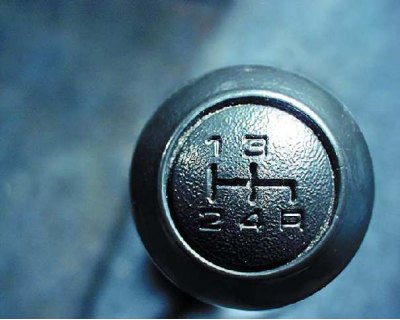
1. Place the gear shift lever in neutral position.
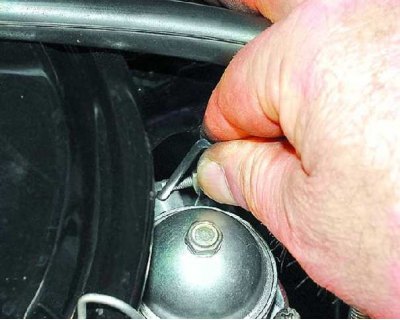
2. After a long period of parking, pump gasoline into the carburetor float chamber by pressing the fuel pump lever several times.
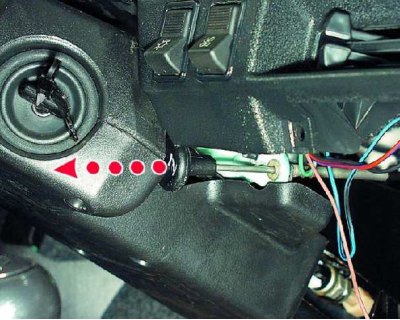
3. Pull out the carburetor choke control handle.

4. If the air temperature is below minus 15°C, press the clutch pedal all the way down. At an air temperature of minus 25°C and below, it is recommended to press the accelerator pedal 2–3 times before starting, and at this temperature, close the ventilation holes in the bumper and radiator grille for more intensive engine warming.
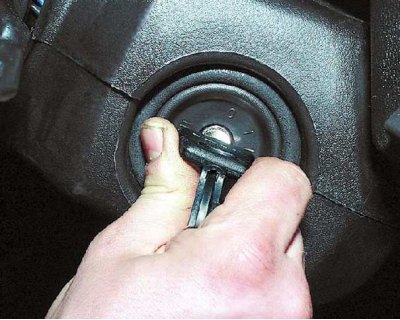
5. Insert the key into the ignition switch and turn it to position "II" (starter activation). Do not press the accelerator pedal. If the engine does not start on the first attempt, turn off the ignition and turn on the starter again after 20-30 seconds. Do not turn on the starter for more than 10-15 seconds. After starting the engine, release the key, which automatically returns to position "I" (ignition on).
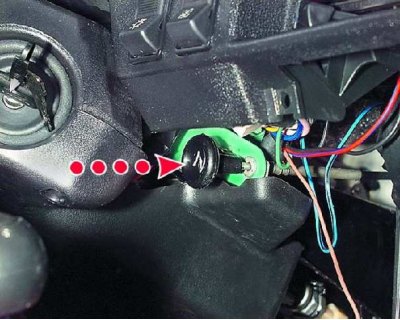
6. After starting the engine, as soon as it starts to run steadily, smoothly release the clutch pedal. Gradually, as the engine crankshaft speed increases, return the carburetor air damper control handle to its original position (the air damper is fully open).
Starting a warm and hot engine
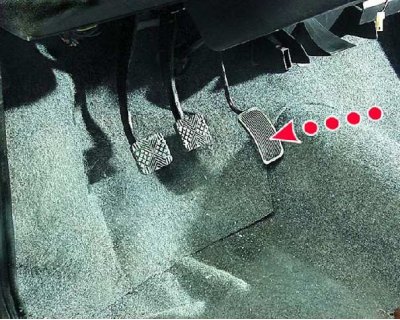
8. When starting a hot engine (the coolant temperature gauge needle approaches the red zone of the scale) the carburetor choke control handle should be depressed. Press the accelerator pedal approximately 1/3 of its travel, engage the starter and gradually release the pedal as soon as the engine starts to run smoothly.
7. The choke handle should be depressed. Turn on the starter, smoothly press the accelerator pedal and release it when the engine starts.