




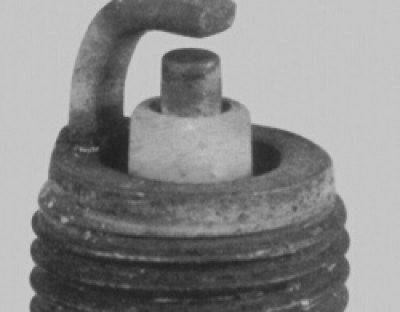
1. Normal candle
Brown or grayish yellow color and slight wear of the electrodes. Accurate thermal value for the engine and operating conditions.
Helpful Hint: When replacing spark plugs with new ones, install spark plugs with the same characteristics.
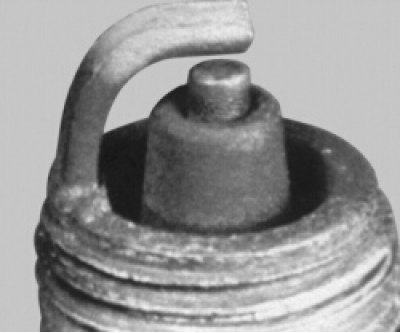
2. Soot deposits
Dry soot deposits indicate a rich fuel-air mixture or late ignition. Causes misfires, difficult starting and erratic engine operation. Check for clogged air filter, coolant temperature and intake air sensors.
Helpful Hint: Use a "Hotter" Candle (extended insulator with central electrode).
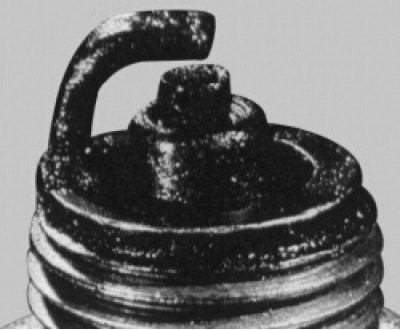
3. Oil deposits
Oily spark plug electrodes and insulator. Cause: oil getting into the combustion chamber. Oil gets into the combustion chamber through the valve guides or piston rings. Causes difficult starting, cylinder misfires, and jerking of the running engine. Necessary cylinder head repair and the piston group of the engine. Replace the spark plugs.
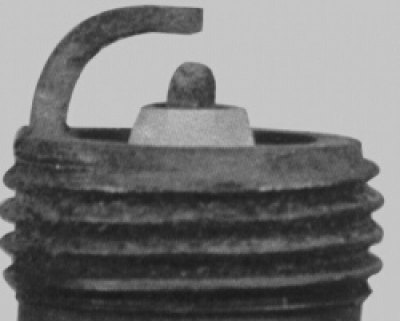
4. Overheating
Possible causes: spark plug type not matching the recommended one for your car engine, early ignition, lean mixture, air leak in the intake manifold. Check the coolant level and whether the radiator is clogged.
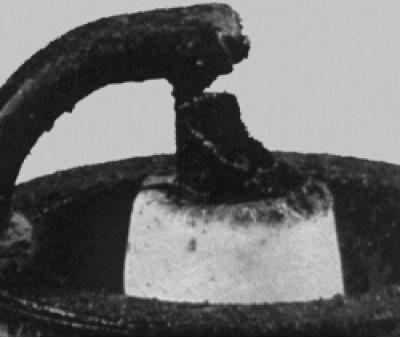
5. Early ignition
Melted electrodes. The insulator is white, but may be contaminated due to spark misfires and deposits from the combustion chamber. May cause engine damage. It is necessary to check the spark plug type, the serviceability of the knock sensor, the cleanliness of the injector nozzles and fuel filter, the operation of the cooling and lubrication systems.
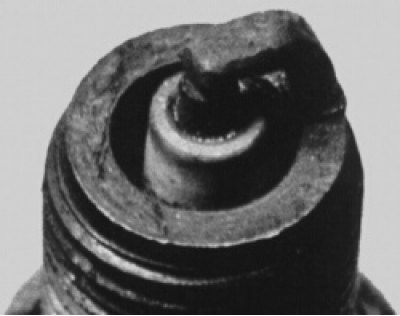
6. Glaze
The insulator is yellowish and glazed. Indicates that the combustion chamber temperature rises unexpectedly during rapid acceleration of the vehicle. Normal deposits become conductive. Causes misfires at high speeds.
Helpful Hint: After installing new spark plugs, change your driving style. If you don't want to do that, try installing "colder" spark plugs.
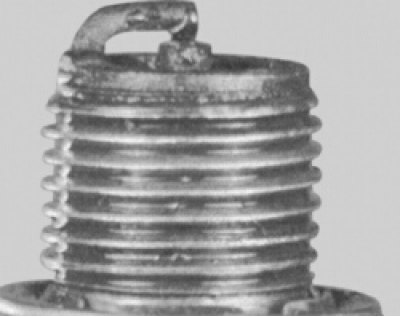
7. Bridge between electrodes
Deposits from the combustion chamber get between the electrodes. "Heavy" deposits collect in the gap between the electrodes and form a bridge. The spark plug stops working and the cylinder is switched off. Identify the faulty spark plug and remove the deposits between the electrodes.
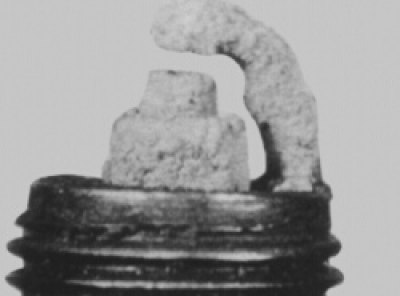
8. Ash deposits
Light brown deposits that crust over the central and side electrodes. They are released from oil or gasoline additives. A large amount of them can lead to insulation of the spark plug electrodes and cause misfires and interruptions during acceleration. If excessive deposits form in a short time or at low mileage, replace the valve stem seals valve guides to prevent oil from entering the combustion chamber.
Helpful advice: If deposits are consistently formed during long mileage, the reason is the quality of gasoline - change the place of filling.
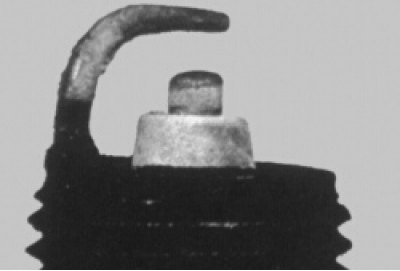
9. Wear
Rounded electrodes with a small amount of deposits on the working ends. Normal color. Causes difficult starting in cold or wet weather and reduces fuel economy. Replace the spark plugs with new ones of the same characteristics.
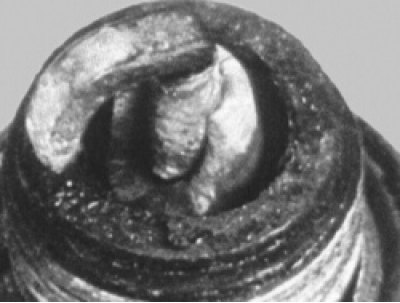
10. Detonation
The insulator may be cracked or chipped. This may cause piston damage. Make sure the octane rating of the gasoline is correct. Check the knock sensor for proper operation.
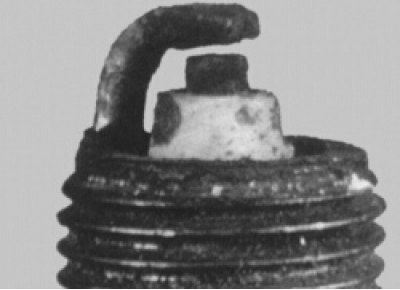
11. Spotted deposits
The carbon deposited in the combustion chamber begins to burn out after proper adjustment, at high engine speeds it breaks away from the piston and sticks to the spark plug insulator, causing individual misfires. Replace the spark plugs with new ones or clean the old ones.
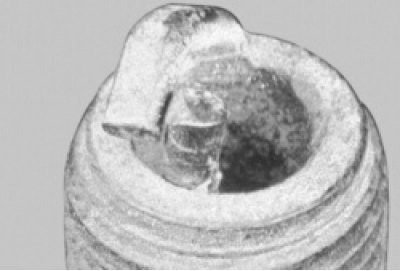
12. Mechanical damage
Damage can be caused by foreign objects that have entered the combustion chamber, and if a spark plug is too long, its electrodes can catch on the piston. This leads to the destruction of the spark plug, the cylinder being disconnected and can damage the piston. Remove the foreign object from the cylinder and (or) replace the spark plug.