




The cause of knocking and vibrations on the steering wheel may be the condition of the ball joints of the steering rods and steering mechanism, the condition of the car wheels. To check the steering place the car on a horizontal surface, open the hood and do the following.
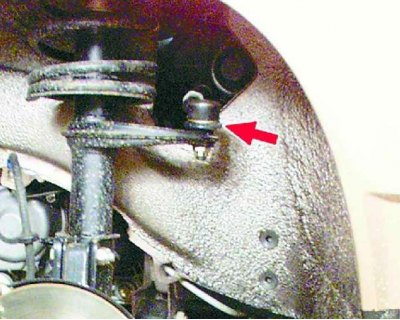
1. Turn the wheels all the way to the right. In this position, the left wheel steering tie rod ball joint becomes accessible and can be seen from under the left wing of the car.
2. Check the integrity of the rubber protective boot of the steering rod joint.
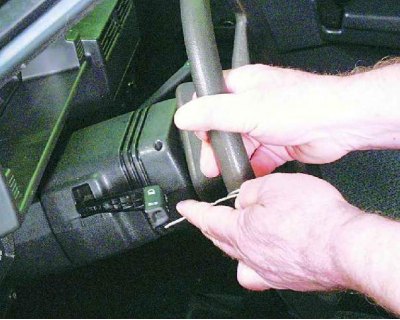
3. Ask an assistant to rock the steering wheel from side to side and observe the connection of the ball joint and the telescopic strut arm. There should be no visible gap (play) in the ball joint. A tie rod end with a damaged joint boot or increased play in the joint must be replaced with a new one.
Warning! When replacing the tie rod ends, the wheel alignment angles may be disturbed.
4. Similarly, check the condition of the right wheel joint.

The information can be read on the website: vazbook
5. A rack and pinion steering mechanism is installed on the front shield, separating the engine compartment from the passenger compartment.
Ask an assistant to sharply shake the steering wheel left and right and watch the steering mechanism. If the steering mechanism housing moves from side to side, it is necessary to tighten its fastening to the body.
Warning! Do not apply excessive force when tightening the steering gear housing mounting nuts - this may lead to breakage of the studs, which will be difficult to replace. The tightening torque of the steering gear housing mounting nuts is 15-19 N/m.
6. Pay attention to whether there are any gaps in the places where the steering rods are connected to the steering rack. If the gaps are not eliminated by tightening the steering rod mounting bolts, the rubber-metal joints of the inner steering rod ends must be replaced.
7. Carefully inspect the front tires. Strong impacts from the road surface, especially when hitting potholes, can cause the cord threads in the tire carcass to separate and cause a bulge ("hernia") or a tilted tire.
Recommendations
A possible cause of vibration and impacts on the steering wheel when driving at speeds above 70–80 km/h may be an imbalance of the front wheels. Contact a car service or tire service center to check the balance of the front wheels.
If the steering wheel is struck and vibrated when you press the brake pedal, contact a car service center to replace the brake pads, repair or replace the front brake discs.