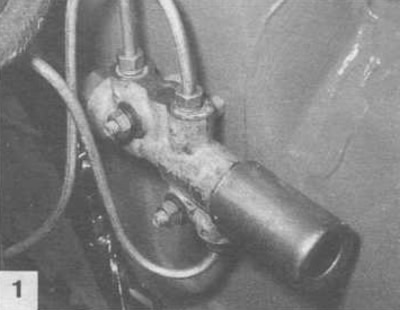
Before starting work, place the vehicle on a level horizontal surface; remove the spare tire.
The pressure regulator prevents the rear wheels from locking before the front ones. This allows the vehicle's braking capabilities to be used to the fullest extent and prevents possible skidding.
The pressure regulator must be checked with an assistant.
Thoroughly clean the pressure regulator from dirt. Inspect the regulator, brake fluid should not leak from it. Otherwise, contact specialists.
(The information is posted on the portal VazBook)
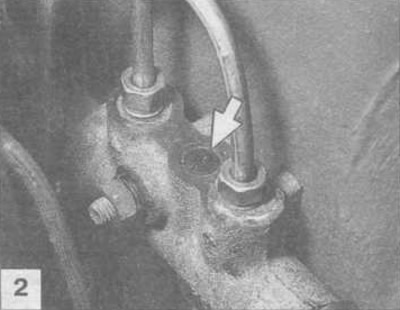
Check: the regulator plug should be recessed into the housing hole by 1-2 mm.
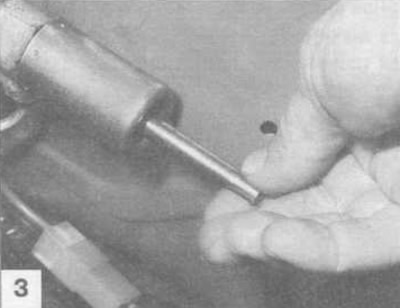
Insert a rod with a diameter of 6-8 mm (for example, a drill) into the regulator hole until it stops. Do this carefully so as not to damage the rubber protective cap.
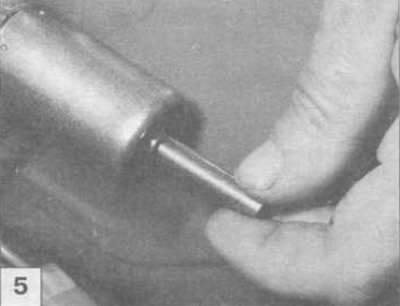
Place a mark on the rod relative to the end of the pressure regulator housing.
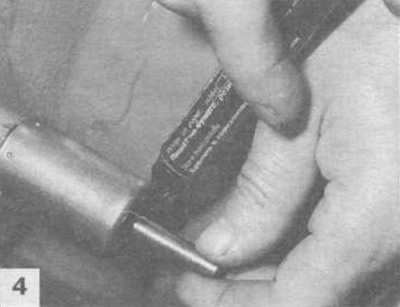
The assistant should press the brake pedal. In this case, the rod, under the action of the piston of the regulator, should come out of the housing by 1.75-2.5 mm. If the rod does not move, then the pressure regulator is faulty and must be replaced.