




When the engine is running, crankcase gases flow through the exhaust hose 9 (figure 38) are sucked into the housing 8 of the oil separator, where, due to the swirling of the gas flow and the mesh 6, the oil is separated. Then the crankcase gases can be sucked out in two ways. When the throttle valves are closed and the engine is idling at minimum crankshaft speed, the gases are sucked out through the hose 2 through the carburetor nipple into the carburetor's throttle space, where they are mixed with the combustible mixture and enter the combustion chambers. The carburetor nipple has a calibrated hole that limits the amount of gases sucked out, as a result of which ventilation does not have a noticeable effect on the vacuum in the throttle space in idle mode.
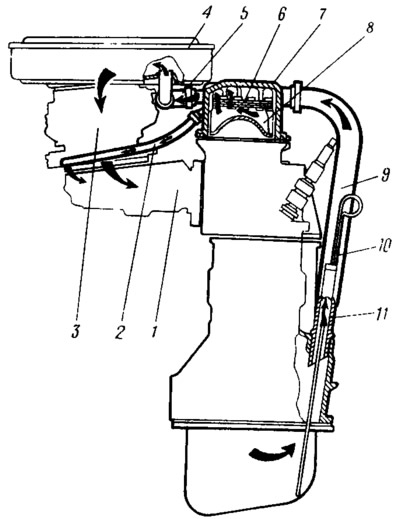
Figure 38. Crankcase ventilation diagram:
1 - inlet manifold; 2 - hose for removing carburettor gases into the throttle space of the carburetor; 3 - carburetor; 4 - air filter; 5 - upper exhaust hose; 6 - oil separator mesh; 7 - cylinder head cover; 8 - oil separator body. 9 - lower exhaust hose; 10 - oil level indicator; 11 - nipple.
As the crankshaft speed increases and the throttle valves open, the bulk of the crankcase gases will be sucked through hose 5 into the air filter, into the space behind the filter element.
To prevent flame from entering the engine crankcase when "firing" into the carburetor, mesh 6 also acts as a flame arrester.