




1. Engine malfunction - decreased compression in one or more cylinders, change in valve timing when the camshaft drive belt jumps, additional air is sucked in between the carburetor and the combustion chamber in the engine. Coking of the exhaust system.
2. Malfunction of the fuel system - clogging of the entire system, fuel filters, carburetor. Insufficient fuel pump supply. Incorrect carburetor adjustment (the mixture is too lean or too rich). Use of low-quality fuel.
3. Malfunction of the ignition system - failure of the spark plug, breakdown of the high-voltage circuit of the system, incorrect setting of the ignition timing.
4. Clutch slippage due to wear or misalignment.
5. Malfunction of the braking system - braking of one or more wheels while driving, incorrect adjustment of the parking brake.
6. Insufficient air pressure in the tires.
7. Overloading the vehicle.
A full diagnostics of the car should be carried out by highly qualified specialists using special diagnostic equipment, therefore contact a car service.
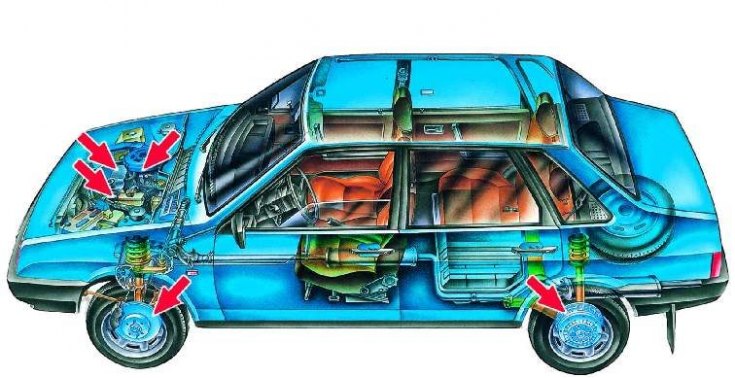
You can do the following work yourself:
1. Check and adjust the air pressure in your tires to the correct level.
2. Check the operation of the service brake system and the parking brake. It is not necessary to remove the wheels for this. Find a level section of the road and, in dry, windless weather, conduct a test drive to determine run out car. The car must be fully fueled, with only the driver in the car. Accelerate the car to 50 km/h, level off, then turn off the gear and coast to a complete stop. Make another run in the opposite direction. The coast should be about 500 m.
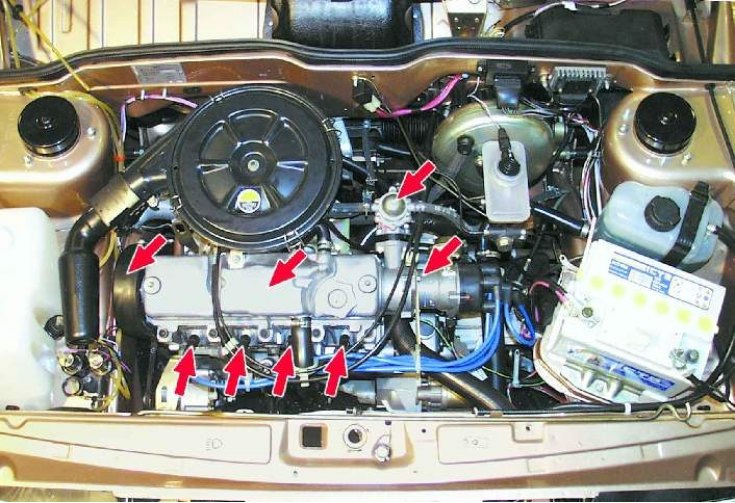
3. Check the operation of the carburetor and ignition system as described above.
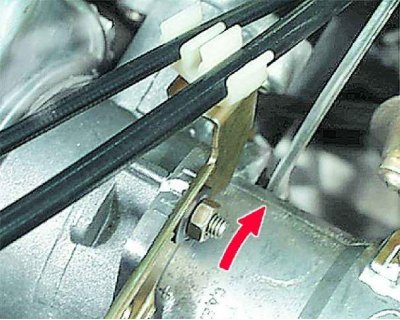
4. Try increasing the ignition timing. To do this, having previously marked the initial position of the distributor, turn it one division of the scale clockwise, if viewed from the distributor cap side.
Attention! Take a test drive. If detonation occurs after increasing the ignition timing during sharp acceleration, you will hear ringing metallic knocks lasting more than 2 seconds (so-called finger tapping), the ignition advance angle will have to be reduced to the initial value. Engine operation with detonation is absolutely unacceptable!
5. Check the operation of the clutch.
The initial check is carried out on a level, obstacle-free area. Set the choke control handle to a high idle speed of approximately 1500 min⁻¹. Depress the clutch, engage first gear and press the brake pedal. Then begin to smoothly release the clutch pedal. If the engine stalls, the clutch is working properly and is not slipping.
In this case, check the clutch drive adjustment. (See the "Clutch Drive Adjustment" subsection below.)
If the above measures do not produce the desired effect, contact a car service center for a full diagnostic of the car.
Adjusting the clutch drive
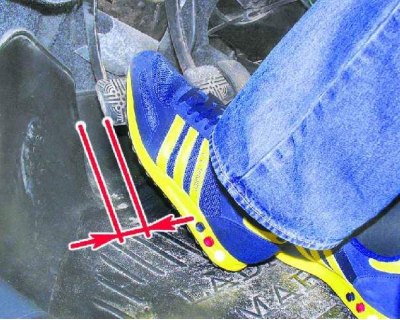
1. Place the car on a level surface and try to start moving in first gear, smoothly releasing the clutch pedal. Try to determine at what position of the clutch pedal your car starts to move.
[The original source is published on the website: vazbook.ru]
Does the car start moving at about the middle of the clutch pedal stroke?
No: see point 3.
2. The clutch is adjusted correctly.
3. If the car starts moving at the end of the clutch pedal stroke, it does not have free play and needs to be adjusted. The clutch of front-wheel drive VAZ cars is activated by a cable connected to the clutch pedal. To adjust such a clutch, it is enough to open the hood.
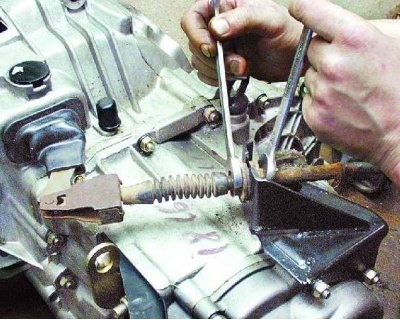
4. There are two nuts on the threaded part of the cable that secure the cable to the bracket. These nuts can be used to adjust the clutch pedal stroke.
5. To increase the free travel of the clutch pedal, you need to slightly loosen the nut inside the bracket and tighten the nut located on the outside.
6. If the thread is rusted and the nut does not unscrew, wet it with any liquid for unscrewing threads (like WD40). If you do not have such a composition at hand, you can wet the thread with brake fluid or motor oil, which are always in the car.
7. After adjusting the clutch, be sure to check it as described earlier.
8. If the clutch on your car is adjusted correctly, the full pedal travel when moving it from the uppermost position to the stop at the bottom should be 125–135 mm.
9. If the adjustments do not help and the clutch continues to slip, it is faulty and requires replacement. It is better to entrust such work to specialists, since the appropriate tools and skills are required.