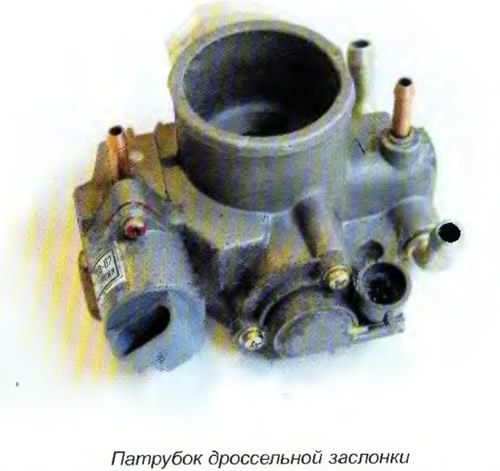
A frame with 4 injectors and an electric drive for them. Fuel tank - differs from fuel tanks of other fuel systems. It has a wide opening for an electric fuel pump, additional internal partitions to prevent gasoline from flowing away from the fuel intake. The electric fuel pump creates the necessary gasoline pressure in the system. A regulator of constant fuel supply pressure to the injectors so that there is always 3 atm at the injector outlet, a fuel filter. A throttle valve that regulates the amount of combustible mixture via a computer (fuel-air mixture), entering the intake manifold. Air filter with air temperature sensor. Return fuel channel through which excess gasoline enters the tank. Idle speed controller and seven sensors: throttle position, coolant temperature, working mixture pressure (mixture of fuel, air and exhaust gases), crankshaft speed sensor, oxygen concentration sensor, speed sensor, knock sensor and electric fuel mixture heater. The fuel system also includes the crankcase ventilation system and the gasoline vapor management system.
The speed sensor or crankshaft position sensor is located near the generator drive pulley.
The throttle position sensor is a potentiometer mounted on the throttle body.
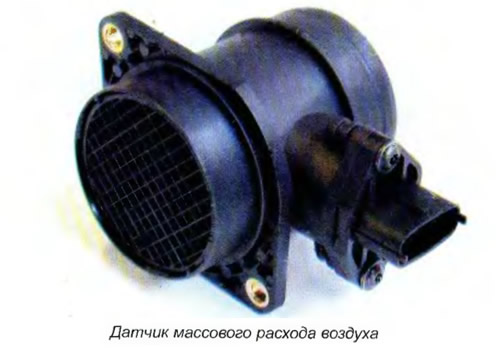
Air pressure sensor (mass air flow) and the throttle position sensor determine the load. They provide a signal proportional to the mass flow of air passing through the open throttle.
The fuel pressure regulator is located in front of the fuel return channel.
The speed sensor is a Hall sensor. It is installed on the gearbox between the drive and the speedometer cable.
The coolant temperature sensor is located near the cylinder block, and the radiator electric fan operates from this sensor. It is a thermal resistance.
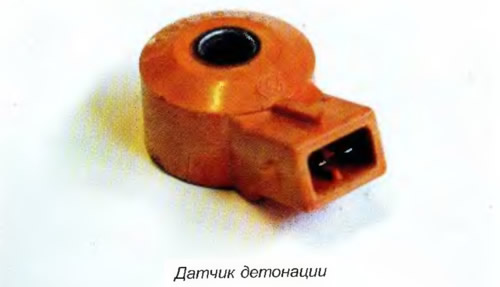
The knock sensor records the knocks (noises) of the engine operation, is installed on the block. It works on the piezoelectric effect and produces a signal proportional to the engine noise.