




- a gap of 0.1-0.5 mm is set between the pusher and the piston of the master cylinder (Fig. 3-2). This gap, necessary for complete disengagement of the clutch, is adjusted by the limiter 5 of the clutch pedal. The gap is determined by the free travel of the pedal, equal to 0.4-2 mm;
- the free travel of the clutch release fork pusher, equal to 4-5 mm, is adjusted by nut 5 (Fig. 3-3), which is fixed by lock nut 6. The value of the free travel of the pusher is controlled by a special template.
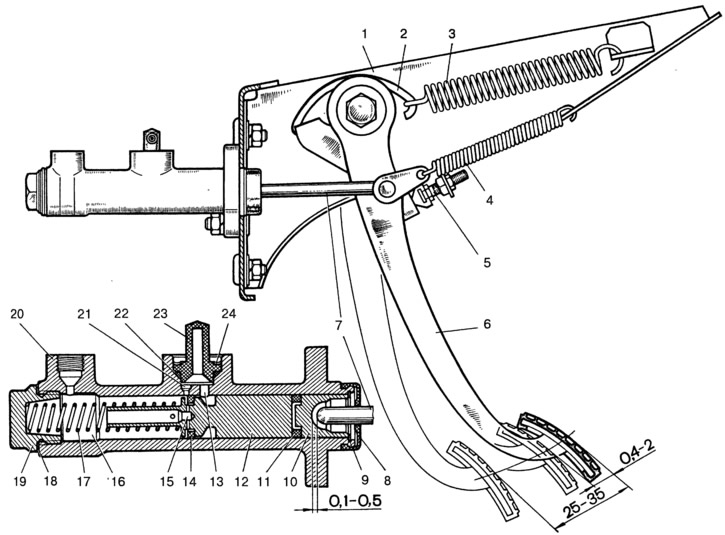
Fig. 3-2. Clutch release pedal and master cylinder:
1 - clutch and brake pedal bracket; 2 - hook; 3 - clutch servo spring; 4 - clutch pedal release spring; 5 - clutch pedal travel limiter; 6 - clutch pedal; 7 - pusher; 8 - protective cap; 9 - retaining ring; 10 - pusher piston; 11 - sealing ring; 12 - master cylinder piston; 13 - inlet; 14 - sealing ring (ring valve); 15 - piston bypass hole; 16 - working cavity of the cylinder; 17 - piston return spring; 18 - gasket; 19 - cork; 20 - master cylinder body; 21 - bypass (compensation hole); 22 - nipple gasket; 23 - nipple; 24 - lock washer.
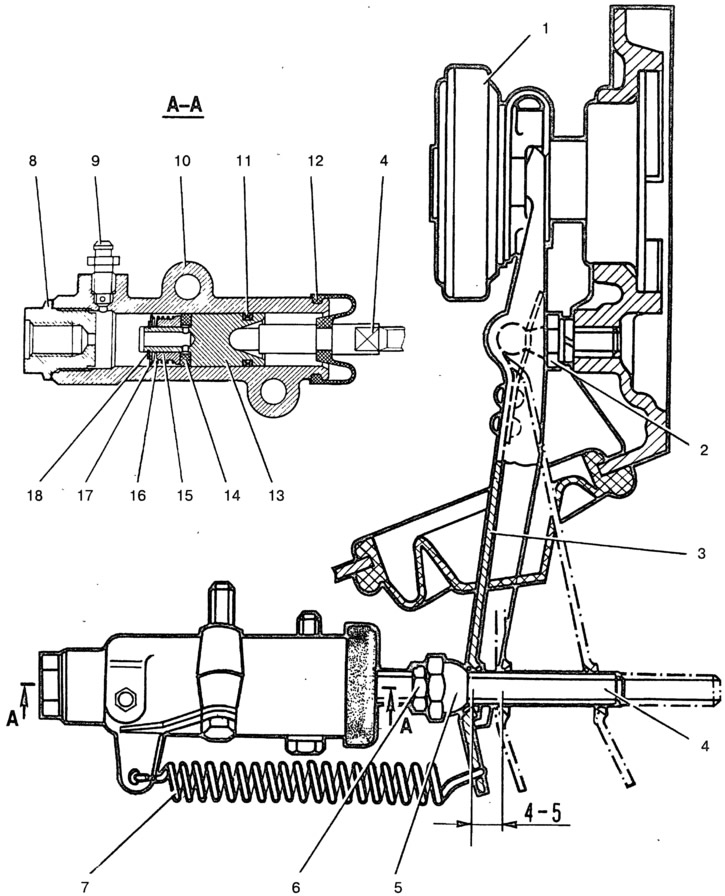
Fig. 3-3. Slave cylinder and clutch release fork:
1 - clutch release bearing; 2 - ball joint; 3 - clutch release fork; 4 - pusher; 5 - adjusting nut; 6 - lock nut; 7 - release spring; 8 - body plug; 9 - bleed nipple; 10 - cylinder body; 11 - sealing ring; 12 - protective cap; 13 - piston; 14 - seal; 15 - plate; 16 - spring; 17 - support washer; 18 - retaining ring.
After performing the above adjustments, the free travel of the clutch pedal before the clutch starts to disengage should be 25-35 mm.