




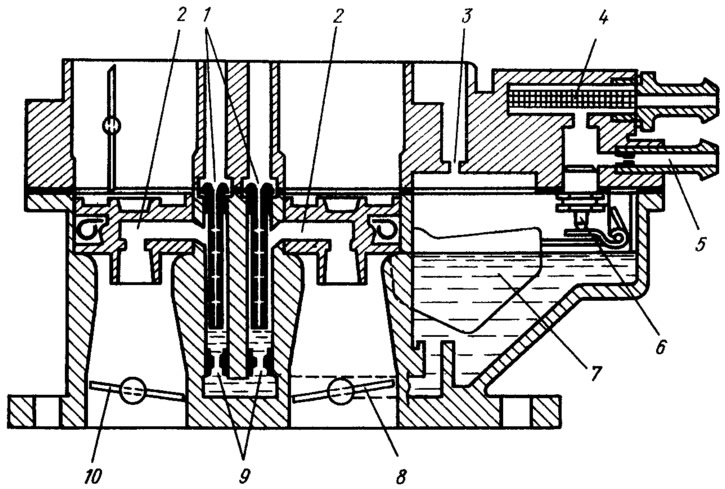
Figure 46. Schematic diagram of the main dosing systems:
1 - main air jets with emulsion tubes; 2 - first and second chamber sprayers; 3 - balancing hole; 4 - fuel filter; 5 - a branch pipe with a jet for draining part of the fuel into the fuel tank; 6 - needle valve; 7 - float; 8 - second chamber throttle valve; 9 - main fuel jets; 10 - first chamber throttle valve.
When the throttle control pedal is pressed, the throttle valve 10 of the first chamber opens, the vacuum in the diffusers, sprayer and emulsion well of the first chamber increases. As soon as the first holes of the emulsion tube open, the vacuum in the emulsion well decreases and then, as the holes open, the difference between the vacuums of the diffuser and the well increases. The fuel is captured by the air coming from the holes of the emulsion tube through the main air jet and is directed through the sprayer into the diffuser and mixing chamber. The dosage of fuel and air in the main metering system will be provided automatically by the main air jet and the emulsion tube. The advantage of the emulsion tube is that it supplies air inside the system itself, which facilitates the atomization of fuel in the mixing chamber and the distribution of fuel in the air flow.
The throttle valve of the second chamber is mechanically connected to the throttle valve 10 of the first chamber in such a way that it begins to open when the valve 10 is already open to two-thirds of the angle of full opening. At the same time, the main metering system of the second chamber also begins to operate in the same way as described above.
The amount of mixture entering the engine is regulated by the opening of the throttle valves. In throttling modes, the first mixing chamber mainly operates, ensuring engine operation in a wide range.